
How NDIS Providers Can Save 10+ Hours a Week on Admin
Ask any NDIS provider what their biggest frustration is, and “admin” comes up within the first ten seconds. Not the care delivery. Not the participants. The paperwork, the follow-ups, the scheduling, the invoicing, the data entry, the email chains, the spreadsheets. The stuff that has to get done but isn’t why you started your practice. We’ve spoken with dozens of NDIS providers, and the pattern is consistent: most spend 10–15 hours per week on administrative tasks that could be reduced, automated, or eliminated entirely. Here are six practical strategies to claw that time back.

1Automate Your Intake Process
The problem: A new enquiry comes in. Someone reads it, creates a contact record somewhere, sends an acknowledgement email, schedules a call, sends intake forms, follows up if the forms aren’t returned, then books the first appointment. Each step is manual. Each step takes time. And if you’re busy with participants, steps get missed.
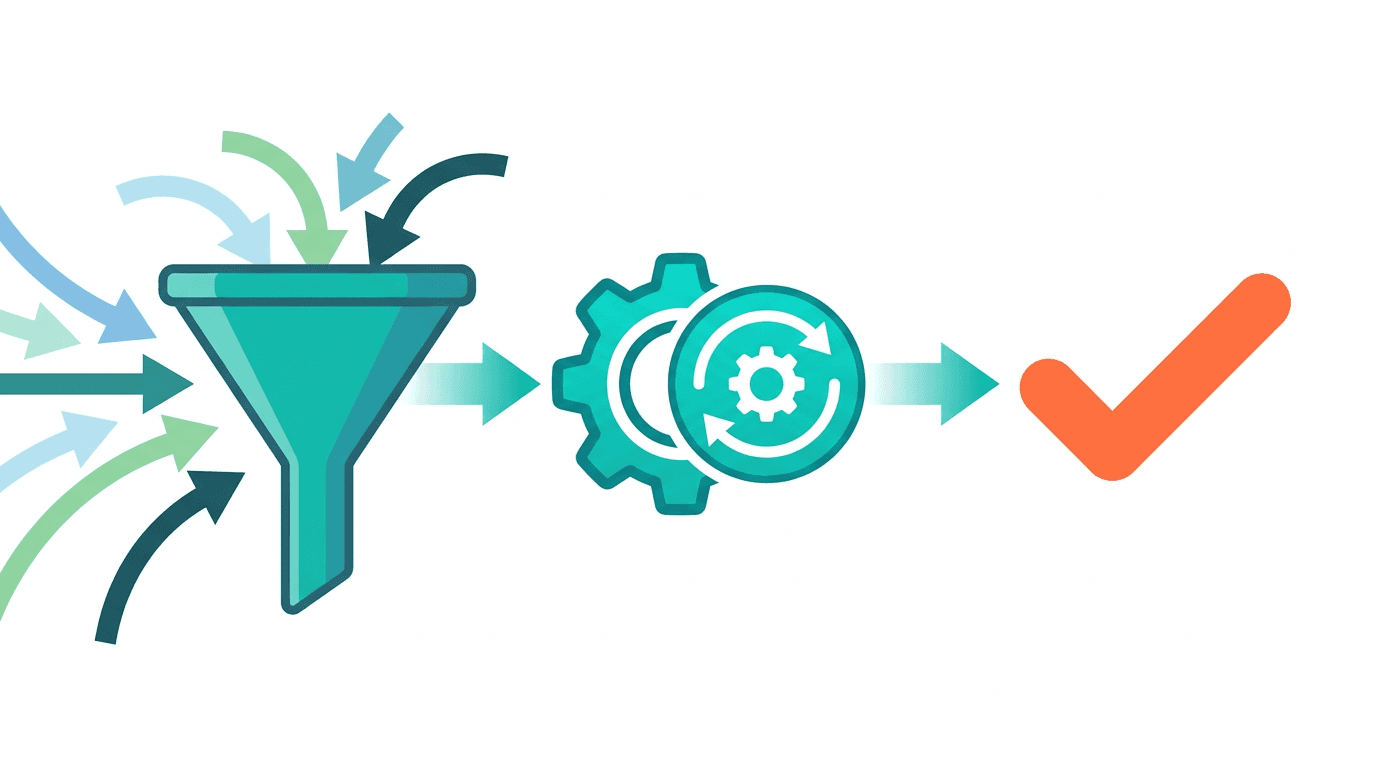
The fix: Set up an automated intake workflow. When someone submits an enquiry form on your website:
- They immediately receive an automated SMS and email acknowledging the enquiry
- Their details are automatically added to your CRM
- An intake task is created and assigned to the right team member
- A follow-up sequence begins. If they haven’t booked within 48 hours, they get a gentle reminder with a booking link
The entire flow runs without anyone touching it. Your team only steps in when it’s time for the actual conversation.
Tools like Carely let you build this entire workflow with a visual drag-and-drop builder, no coding required.
2Use a CRM (and Actually Use It)
The problem: Participant details live in a spreadsheet. Referral partner contacts are in someone’s Outlook. Notes from phone calls are in a notebook. When a participant calls, you spend five minutes finding their information before you can help them.
The fix: Put everything in one CRM. A CRM (Customer Relationship Management system) gives every contact a single record with all their details, communication history, notes, and appointments in one place. When someone calls, you open their record and see everything instantly.
But the real power of a CRM isn’t just storage. It’s what you can do with the data:
- Segment contacts by service type, referral source, or plan review date
- Trigger automated actions based on contact properties
- Track your pipeline from enquiry to onboarding to ongoing service
- Report on conversion rates, response times, and referral sources
Look for a CRM with custom fields so you can store NDIS-specific data (plan numbers, funding categories, support coordinator details) alongside standard contact information.
3Set Up Automated Appointment Reminders
The problem: You or your admin staff manually text or call participants to remind them about upcoming appointments. It takes 2–3 minutes per reminder. With 30 appointments a week, that’s 60–90 minutes just on reminders. And when you forget, people don’t show up.
The fix: Configure reminders to send automatically. Most providers use 48 hours and 2 hours before each appointment. Include the date, time, location (or telehealth link), and a way to confirm or cancel. Participants who cancel free up the slot automatically. No-shows trigger an automated rebooking message.
The bonus: automated reminders are more consistent than manual ones. No-show rates typically drop 30–50% when providers switch from manual to automated reminders.
4Streamline Your Invoicing
The problem: Creating invoices in one system. Sending them via email. Tracking payments in a spreadsheet. Following up on overdue invoices manually. Entering payment data into your accounting software separately.
The fix: Use an invoicing system that connects to your CRM and accounting software. Create invoices linked to contact records. Send payment links via SMS (text-to-pay has much higher response rates than emailed invoices). Set up automated reminders for overdue invoices: a gentle nudge at 7 days, a firmer reminder at 14 days. Integrate with your accounting software (like Xero) so you’re not double-entering data.
Self-managed NDIS participants respond particularly well to text-to-pay, a payment link via SMS that they can tap and pay immediately.
5Stop Switching Between Tools
The problem: You check email in Outlook. SMS in a separate app. Facebook messages on your phone. Voicemail on another system. Your calendar is Google Calendar. Your forms are in JotForm. Your email marketing is Mailchimp. Every tool has its own login, its own interface, and its own learning curve.
Context switching, moving between different tools to do related tasks, is one of the biggest hidden time costs in any business. Research consistently shows it takes 15–25 minutes to fully refocus after switching tasks.
The fix: Consolidate. The fewer tools you use, the less time you spend switching between them. Look for platforms that combine multiple functions like CRM, inbox, scheduling, invoicing, and marketing so your team works from one screen instead of five.
This is the core idea behind platforms like Carely. Replacing the patchwork of disconnected tools with a single platform designed for how NDIS providers actually work.
6Automate Referral Partner Communication
The problem: You know you should stay in touch with referral partners: support coordinators, GPs, allied health colleagues. But between participant care and admin, relationship maintenance drops off the list. You haven’t sent an update to your referral network in months.
The fix: Set up automated email sequences for referral partners. Tag your referral partners in your CRM. Create a monthly email update that goes out automatically: your available services, current capacity, any new programs, and a personal touch. Set up a re-engagement sequence for partners you haven’t heard from in 90 days.
Referral relationships are the lifeblood of most NDIS practices. Automating the nurture doesn’t make it less personal. It makes it consistent.
Adding It Up
| Strategy | Weekly Time Saved |
|---|---|
| Automated intake | 3–5 hours |
| CRM implementation | 1–2 hours |
| Automated reminders | 1–2 hours |
| Streamlined invoicing | 2–3 hours |
| Tool consolidation | 1–2 hours |
| Referral partner automation | 1–2 hours |
| Total | 9–16 hours |
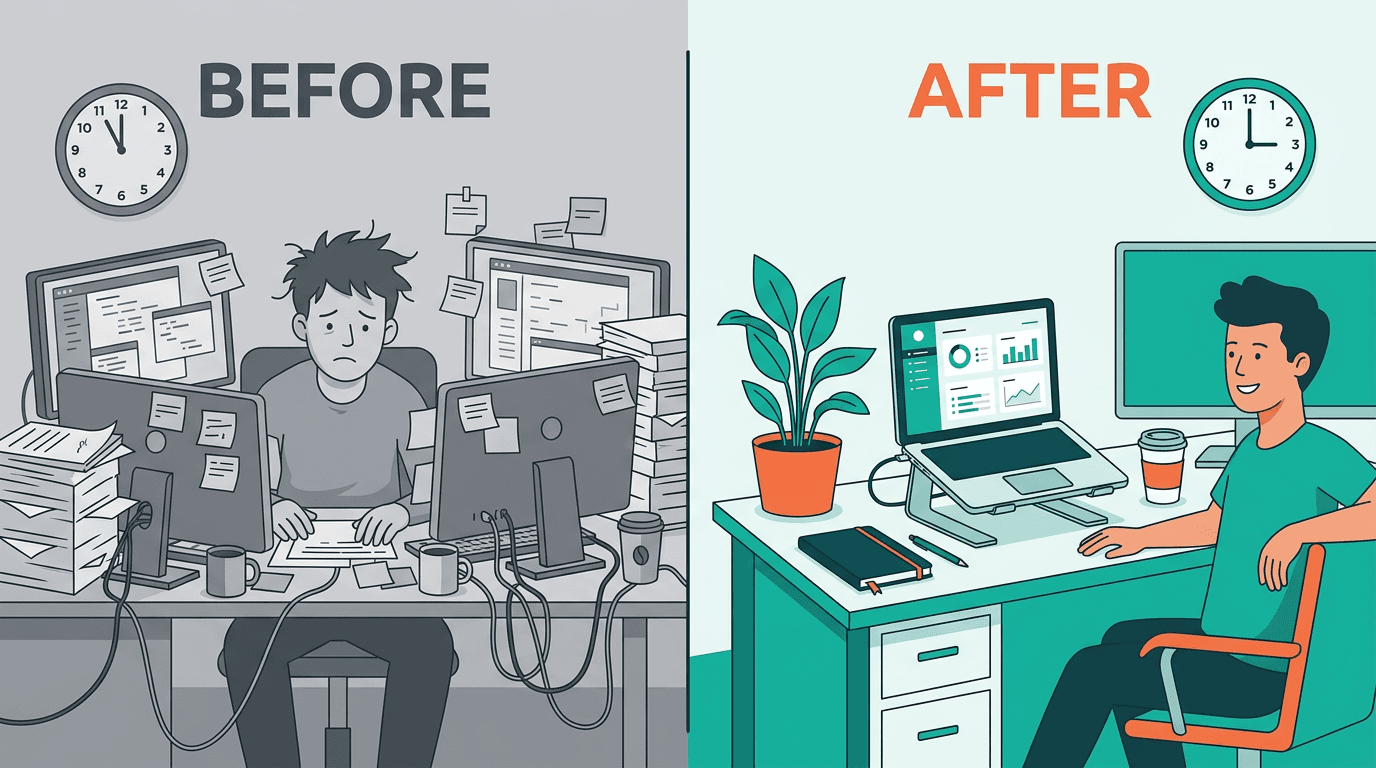
Not every strategy will apply to every practice. But even implementing two or three of these can free up 5+ hours per week. Hours you can spend on billable care, business development, or simply going home on time.
The Real Cost of Admin
The real cost of admin
Those 10+ hours aren’t free. If your billable rate is $150–$200/hour, 10 hours of admin per week costs your practice $1,500–$2,000 in potential revenue. Every week.
Investing in systems that reduce admin time isn’t an expense. It’s a revenue decision.
Where to Start
If you’re feeling overwhelmed, pick one strategy and implement it this week. The highest-impact starting point for most providers is automated appointment reminders. It’s quick to set up, immediately saves time, and visibly reduces no-shows. Once that’s running, move to intake automation and invoicing streamlining. Build the habit of automating before you optimise.
Carely brings CRM, scheduling, invoicing, marketing, and automation into one platform for NDIS providers. Plans from $97/month. See how it works →
Ready to get 10+ hours back every week?
Carely automates intake, reminders, invoicing, and more. Plans from $97/month for NDIS providers.